
Lip & Tongue Tie Treatment – Pasadena, TX
Supporting Your Child’s Comfort and Long-Term Oral Health
Even small oral health issues can significantly impact a child’s future. Conditions like lip and tongue ties may seem minor, but they can affect important aspects of development, including breastfeeding, speech, and overall growth. Fortunately, Pasadena Family Dentistry is here to help! We offer lip and tongue tie treatment to resolve these concerns, ensuring your child can enjoy better comfort and improved oral health. To learn more, continue reading or call us today to schedule a consultation and give your child the care they need for a healthier smile.
How Do Lip and Tongue Ties Develop?
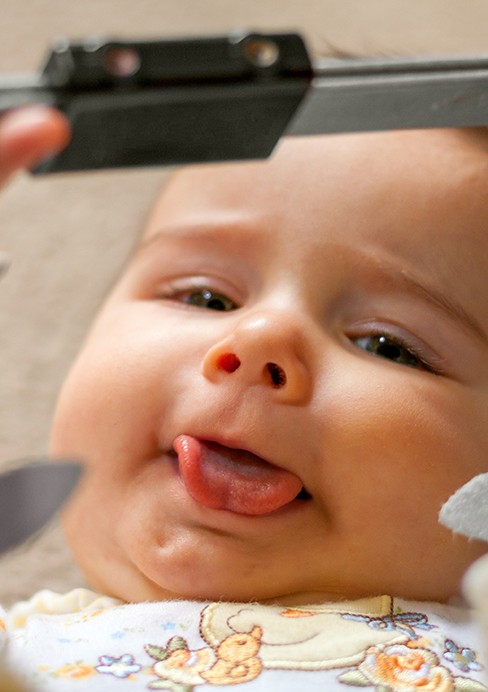
Lip and tongue ties occur when the tissues in a child’s mouth are too thick, short, or malformed. A lip tie happens when the tissue connecting the lips to the gums is overly tight, restricting movement. This can make it difficult for infants to breastfeed properly. A tongue tie occurs when the lingual frenulum, which connects the tongue to the floor of the mouth, is too short or thick, limiting the tongue’s mobility.
Common signs of lip or tongue ties in infants include difficulty latching during nursing, prolonged feeding sessions, frequent falling asleep while nursing, and issues like colic or reflux. Parents may also experience discomfort, such as pain while nursing, flattened or creased nipples, blisters, or even mastitis due to poor milk flow. Identifying and addressing these ties early can help both the infant and parent enjoy a more comfortable and successful feeding experience.
Why is it Important to Treat Lip & Tongue Ties?

When left untreated, lip and tongue ties can cause various developmental challenges for children, such as:
- Difficulty speaking or speech delays
- Digestive issues, such as acid reflux
- Breathing and airway problems
- Forward head and neck posture
- Teeth grinding (bruxism)
If you’re concerned that your child may have a lip or tongue tie, our team can evaluate their smile to assess the condition and its severity. From there, we’ll develop a personalized treatment plan tailored to their specific needs.
Lip & Tongue Tie Treatment
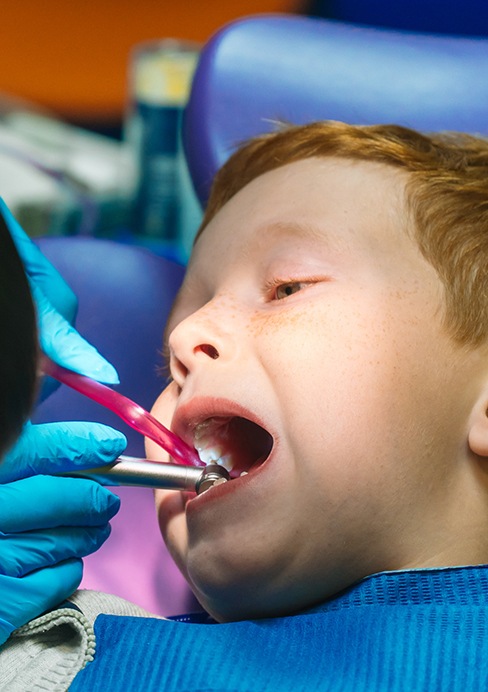
Our team typically performs a quick and straightforward procedure called a frenectomy. We’ll start with an initial consultation and a thorough evaluation of your child’s mouth to assess the mobility of their tongue and lips. If we determine that your child has a lip or tongue tie, we’ll develop a tailored treatment plan to release the tissue, improving their oral function and overall well-being. In many cases, we can even perform the frenectomy immediately after the examination!
Lip & Tongue-Tie FAQs
Is My Child Old Enough to Get Lip or Tongue-Tie Treatment?
There’s no age minimum (or maximum) for getting a frenectomy. In fact, more and more hospitals are screening for lip and tongue-ties at birth and recommend scheduling a frenectomy just a few days later if necessary. The sooner lip and tongue-ties are treated, the less likely they are to negatively affect a child’s oral development.
Rest assured, we’ll gently administer a local anesthetic so your baby won’t feel pain during their frenectomy. They may cry out, but this is usually because many infants (understandably) don’t like it when their lip or tongue is being held by a stranger. Ultimately, both you and your baby will feel better once their lip or tongue-tie is released.
How Long Does a Frenectomy Take?
Not long at all. Most frenectomies can be completed in a matter of minutes, which is why we’re often able to perform the treatment right after the consultation and exam.
Of course, the exact time it will take to release your child’s lip or tongue-tie will depend on how many ties they have. Let us know if you’re concerned about the length of your child’s treatment, and we’ll be sure to provide you with a more precise estimate.
Can I Be in the Room During My Child’s Frenectomy?
We typically recommend against this, which we realize can be worrying for some parents and guardians. We take these feelings very seriously, and will readily explain the process in more detail and answer any questions you may have. It’s just as important for you to feel confident in your child’s care as it is for them to be comfortable during their treatment, so please don’t hesitate to voice any concerns.
We typically don’t allow parents or guardians to be in the room with their child during a frenectomy to limit distractions for our team. If a caretaker becomes squeamish, nervous, or distressed, then we may have to split our attention between the caretaker and child. This simply isn’t ideal, as frenectomies require focus and a steady hand. Rest assured, we’ll call you back to see your child as soon as we’ve released their lip or tongue-tie.
What Should I Do After My Child’s Lip or Tongue-Tie Has Been Treated?
There will be a slight risk of the tissue reconnecting and forming another lip or tongue-tie. To avoid this, we’ll show you some mild stretches you can do for your child. They’ll involve washing your hands, gently raising their upper lip or tongue for a couple of seconds at a time, and brushing your finger back and forth underneath their lip or tongue. Other than that, give them OTC pain relievers for post-treatment soreness and provide your child with plenty of love and comfort!